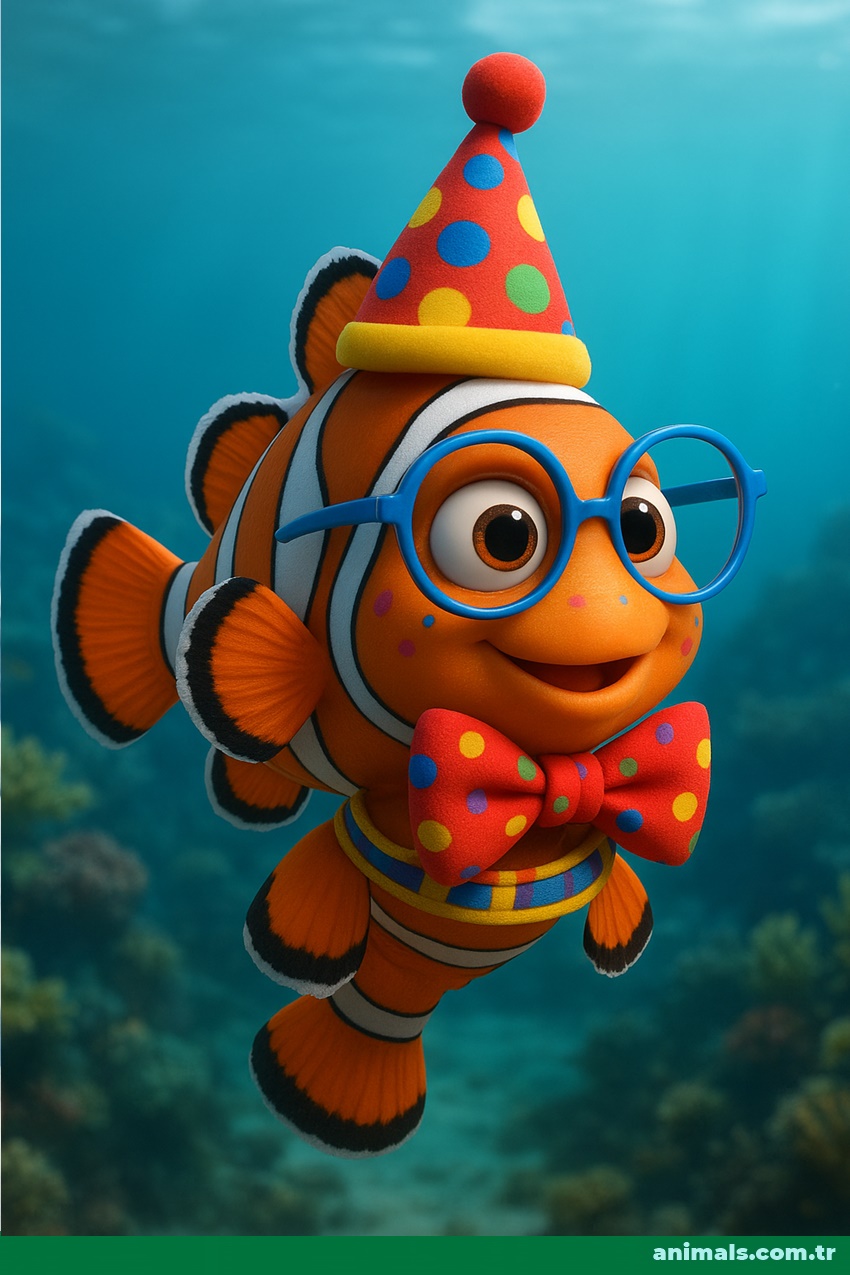
Clownfish Profile
Hello, I am Coral, a lively clownfish who swims among the colorful corals of the warm ocean. I spend my days exploring bright reefs, playing hide and seek between anemone tentacles, and enjoying the peaceful rhythm of the underwater world.
Habitat:
I live in tropical coral reefs where the water is clear, warm, and full of vibrant life. My favorite place is inside sea anemones; they protect me, and I help keep them clean in return.
Diet:
I feed on small plankton, algae, and tiny organisms found around coral reefs. I swim close to the anemones and pick my food carefully while staying safe in my little home.
Chicks:
My babies are tiny, transparent, and full of curiosity. They drift gently in the water after hatching, and as they grow, they learn to swim back to the reefs and find their own anemone homes.
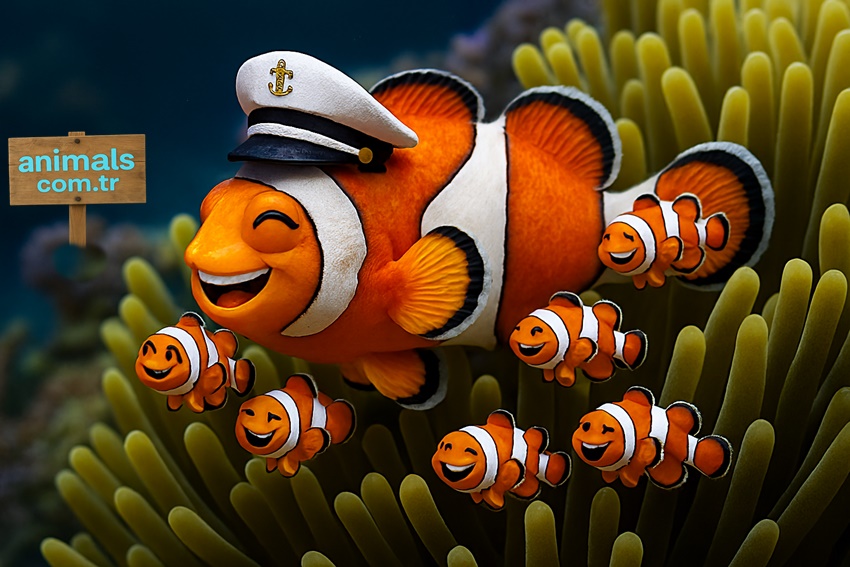
Post:
Just enjoyed a bright morning swimming through coral tunnels. The reef looks amazing today, and my little ones are learning to glide smoothly in the currents. The ocean is full of color, calm, and gentle energy.
animals.com.tr message
Welcome Coral the Clownfish. The vibrant colors of the reef have joined our community, and we are happy to greet the cheerful spirit of the ocean.
about Clownfish,Clownfish,animals,Clownfish sharing,animals.com.tr,animal
Clownfish underwater,animals Clownfish,animals.com.tr
Clownfish story,Clownfish article,about Clownfish
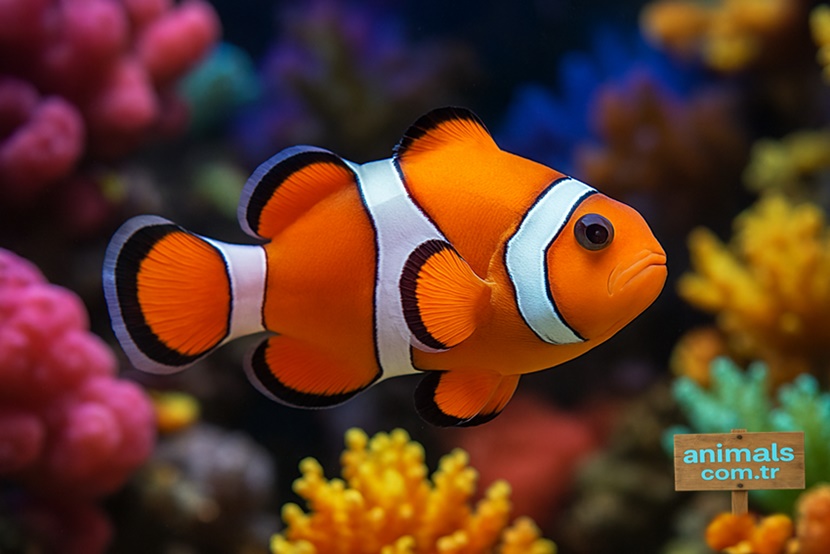
Clownfish (family Pomacentridae, subfamily Amphiprioninae) are iconic coral reef fishes known for their obligate symbiosis with sea anemones.
This article provides an academic overview of their taxonomy, physiology, reproductive system, ecological roles, and the current conservation challenges affecting their populations.
Research emphasizes the importance of mutualistic interactions, social hierarchy, and environmental sensitivity in understanding their evolutionary success and vulnerability.
Clownfish, commonly referred to as anemonefish, comprise 30 recognized species within the genera Amphiprion and Premnas.
Distributed across the Indo-Pacific region—including the Red Sea, Great Barrier Reef, and Southeast Asian coral reefs—they are notable for forming one of the most studied mutualistic relationships in marine ecology.
Their distinctive coloration, complex social structure, and symbiotic dependence on anemones make them model organisms in behavioral biology and evolutionary ecology.
Taxonomy and Distribution
Kingdom: Animalia
Phylum: Chordata
Class: Actinopterygii
Order: Perciformes
Family: Pomacentridae
Subfamily: Amphiprioninae
Their distribution is restricted to shallow tropical coral ecosystems, generally at depths of 1–20 meters. Species diversity is highest in the Coral Triangle, a region known for exceptional marine biodiversity.
Morphology and Physiological Adaptations
Coloration
Clownfish exhibit vibrant color patterns—typically orange, red, yellow, or black—with white bars or patches. This coloration serves both species recognition and intra-group communication.
Mucus Layer and Immunity
The most critical adaptation is their specialized mucus coating, which prevents the stinging nematocysts of sea anemones from firing. Studies indicate that clownfish mucus lacks certain triggering proteins, enabling them to live unharmed within anemone tentacles.
Body Structure
Compressed bodies allow maneuverability among tentacles. Fin structure supports precision swimming in turbulent microhabitats. Highly developed olfactory capabilities assist in locating host anemones during larval settlement.
Symbiosis with Sea Anemones
Clownfish form obligate mutualistic relationships with 10 species of sea anemones.
Benefits to clownfish: protection from predators, enhanced shelter stability, and increased survival.
Benefits to anemone: removal of parasites, improved water circulation, and nutrient enrichment through clownfish waste.
The symbiosis is regulated by chemical acclimation and behavioral “acclimation dances” that reduce anemone stinging responses.
Behavior and Social Structure
Hierarchical System
Clownfish live in strict, size-based dominance hierarchies: The largest individual is the breeding female. The second-largest is the breeding male. Remaining individuals are nonbreeding juveniles with suppressed growth.
Protandrous Hermaphroditism
Clownfish are protandrous sequential hermaphrodites.
If the dominant female dies: The male transforms into a female. The largest juvenile matures into the new breeding male. This reproductive strategy maximizes group stability and reproductive success.
Diet and Foraging
Clownfish are omnivorous, feeding on: Zooplankton, Algae, Small crustaceans, Anemone parasites.
Their foraging range is typically limited to the immediate vicinity of their host anemone, which reduces predation risk.
Larval Development and Dispersal
After spawning, eggs are attached to substrate near the host anemone. Incubation: ~6–10 days
Larval stage: pelagic, lasting 7–12 days
Settlement: larvae use olfactory and auditory cues to locate anemone habitats
Recruitment success is highly dependent on reef health and oceanographic conditions.
Ecological Importance
Clownfish contribute to the resilience of anemone populations and enhance microhabitat dynamics inside coral reefs. Their presence increases local biodiversity and supports complex trophic interactions.
Threats and Conservation
Climate Change
Warming oceans and coral bleaching reduce anemone availability, disrupt larval recruitment, and impair clownfish navigation abilities.
Habitat Degradation
Overfishing, pollution, and coastal development lead to reef fragmentation and population decline.
Aquarium Trade :Some species experience collection pressure, although captive-breeding programs have reduced wild extraction.
Noise Pollution: Studies show that increased underwater noise interferes with larval orientation and settlement success.
Conclusion
Clownfish represent a critical component of coral reef ecosystems, exhibiting complex symbiotic relationships, distinctive reproductive strategies, and adaptive behaviors.
Their dependence on healthy reef systems makes them highly sensitive to environmental disturbances.
Conservation efforts must prioritize reef protection, climate resilience, and sustainable marine practices to ensure the persistence of clownfish populations.