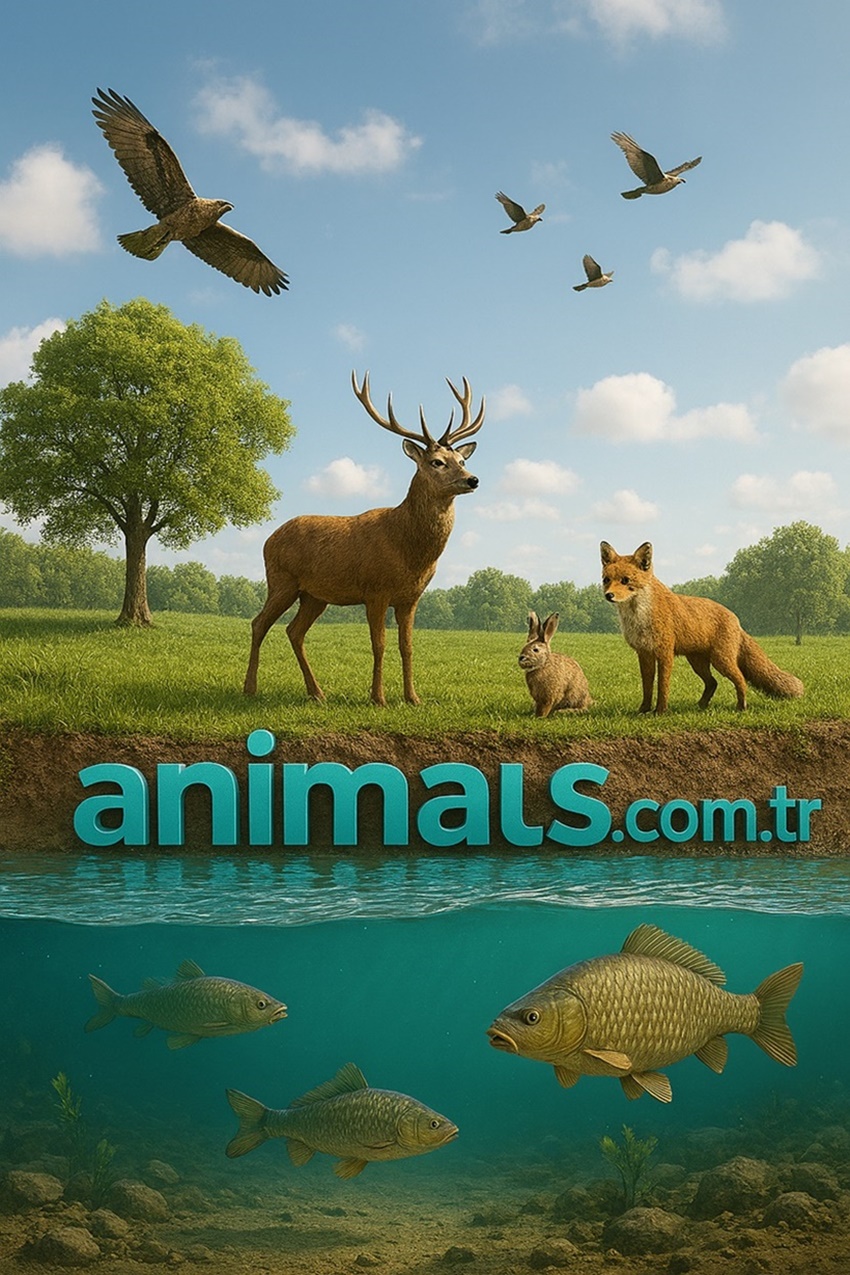
Animals and Ecosystem
Animals are not just living creatures sharing the planet with us they are active engineers of the natural world. Every species, from the tiniest insect to the largest whale, plays a part in keeping ecosystems balanced and alive.
Think about bees for a moment. These small, buzzing workers help pollinate countless plants, allowing forests, meadows, and even our food crops to grow. Without them, many plants would disappear and the entire food web would shift.
Predators like wolves, big cats, and raptors maintain healthy populations of herbivores. They prevent overgrazing, which helps forests and grasslands regenerate. When a top predator disappears from an ecosystem, everything beneath it starts to fall out of balance.
Herbivores also have their own important roles. From elephants that shape African savannas by knocking down old trees, to rabbits that help spread seeds through their daily feeding routines, plant-eaters influence how landscapes grow and change.
Even scavengers, often overlooked, are essential. Vultures, foxes, crabs, and hyenas clean up the environment by feeding on remains that would otherwise spread disease. Their work keeps nature clean and reduces the spread of harmful bacteria.
Then there are the decomposers—worms, insects, fungi, and countless microscopic species. They quietly break down fallen leaves, dead trees, and old bones, returning nutrients to the soil. Without them, forests would choke under their own debris and the ground would lose its fertility.
In oceans, animals play similar balancing roles. Coral reef fish prevent algae from overwhelming corals. Whales fertilize the water with nutrient-rich waste, supporting plankton growth, which feeds the entire marine food chain.
When you look at it this way, the ecosystem is like a giant conversation, with each animal contributing something unique. Remove one voice, and the message becomes weaker. Remove many, and the system starts to break down.
Animals remind us that nature is a web, not a collection of separate parts. Protecting them means protecting the balance that supports all life—including our own.
What Life Would Be Like Without Animals
Have you ever stopped to imagine a world without animals It sounds like the beginning of a strange fantasy story but thinking about it actually teaches us a lot about how deeply connected all life on Earth is.
Animals are such a natural part of our surroundings that their absence would feel like a planet missing its heartbeat.
First think about nature itself. Without animals forests oceans grasslands and every other ecosystem would lose their balance.
Plants would grow uncontrollably or in some places not grow at all because many of them depend on animals for pollination and seed spreading.
Insects birds and mammals play a vital role in helping plants grow thrive and spread across different areas. Without their support the natural world would lose its balance and many landscapes would slowly fade into quiet and lifeless spaces.
The food chain would also disappear. Every animal plays a role in moving energy through the ecosystem.
Nature would become cluttered with dead material and no natural recycling system. The planet would feel stuck like a machine with a broken part.
Life for humans would be completely different too. We rely on animals more than we realize.
Many of our foods come from animals or from plants that depend on them.
Science medicine and agriculture use knowledge gained from studying animals. Even emotionally animals give companionship comfort and inspiration. Without them human life would lack a certain warmth and wonder.
Culture would also be affected. Think about stories myths art and traditions around the world.
Animals appear everywhere from ancient cave paintings to modern movies and even our emojis.
They help us express ideas and emotions. Without animals our cultures would lose a huge part of their identity.
But maybe the most striking thing is the silence. No birds singing in the morning no buzzing insects on a summer night no fish splashing no pets greeting us at home. The world would be quieter but not in a peaceful way. More like a reminder that something essential is missing.
Imagining a world without animals might feel sad but it also helps us appreciate how important they are.
Their presence brings life color movement and meaning to our planet.
Protecting them is not only about saving animals it is about saving the beauty and balance of life itself.
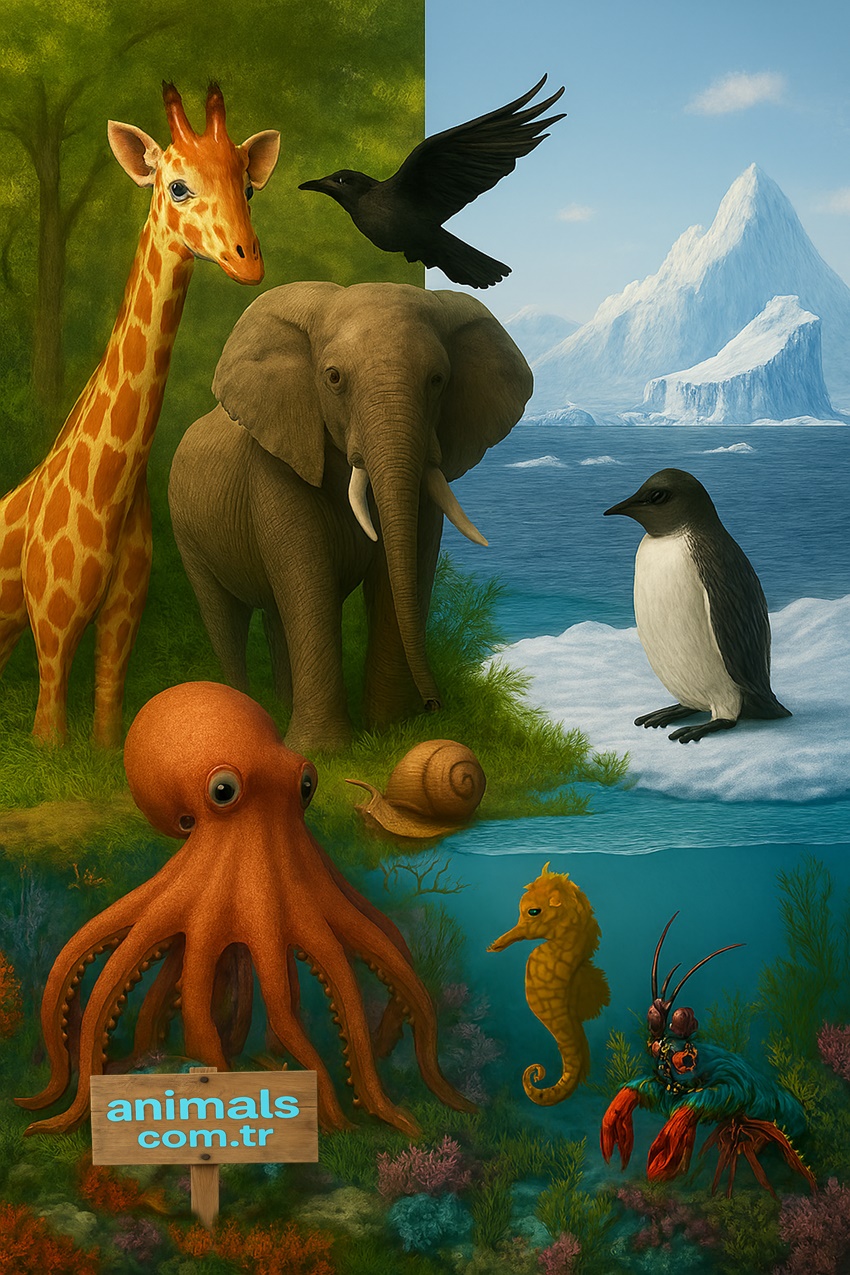
Interesting Facts About Animals
Octopuses have three hearts and blue blood.
They can detach an arm to escape danger and grow it back later.
Giraffes seem silent but they actually hum at night.
Their sounds are too low for the human ear to detect.
Elephants are the only mammals that cannot jump.
Their bodies are not built for it, but their memory is extraordinary.
Crows can recognize human faces.
They remember people who treat them badly for many years.
Penguins have a romantic way of choosing a partner.
A male offers a special pebble to the female. If she accepts, they stay together for life.
Male seahorses are the ones that give birth.
Females deposit their eggs into the male’s pouch, and he delivers hundreds of tiny babies.
Snails can sleep for up to three years.
They do this during extreme heat or drought to survive.
Mantis shrimp have the fastest punch in the animal kingdom.
Their strike is so fast it can create tiny bubbles of light underwater.
animal stories,animals,animals.com.tr, Animals' social media,about animals,animals.com,animals story,animal stories
animals, animal facts, animal stories, animals.com.tr, animal world,animal story
animals,animals.com.tr, Animals' social media,animal story,animals, animal facts, animal stories, animals.com.tr, animal world
animal stories,animals,animals.com.tr, Animals' social media,animal,About Animals

 Penguin, Penny