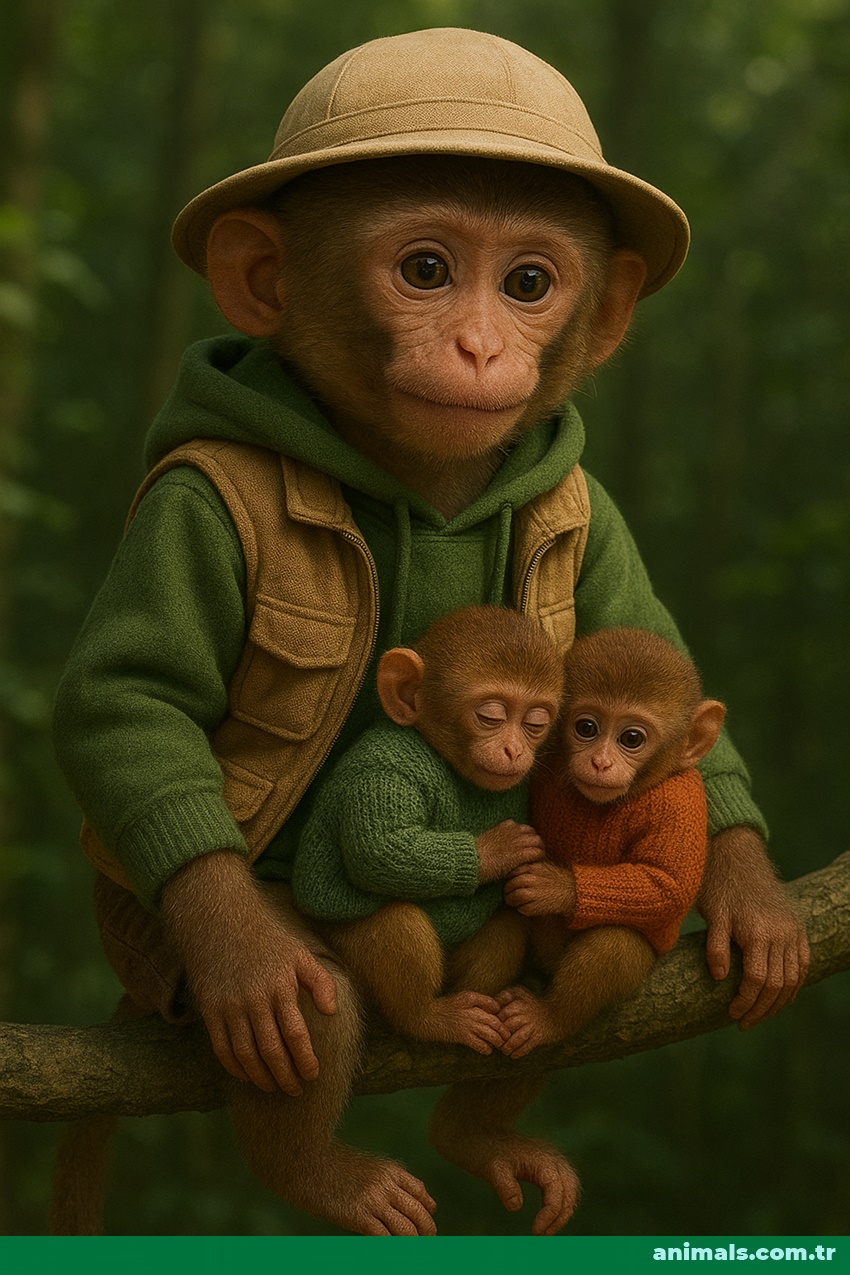
Monkey Profile
Hey friends
My name is Rafi, and I’m thrilled to introduce myself to this amazing animal community. I’m playful, curious, and always ready for my next jungle adventure. Let me tell you a little about who I am.
Habitat:
I live in warm and vibrant places like tropical rainforests, mountain forests, and grassy savannas. You can usually find me swinging from branch to branch, exploring every corner of my home. Trees are my playground and my safe space, and I rarely stay in one spot for long.
Diet:
I enjoy a colorful and varied diet.
My favorite snacks include ripe fruits, but I also eat leaves, seeds, flowers, nuts, insects, and sometimes even small eggs. I love tasting different foods throughout the day. Staying full keeps me active and ready for more adventures.
Babies:
Baby monkeys are the sweetest part of our families.
Monkey moms care for their little ones with great love, carrying them everywhere until they grow strong enough to climb on their own. Young monkeys learn by watching, playing, and copying adults. We are very social, so our babies grow up surrounded by many friends and relatives.
Post:
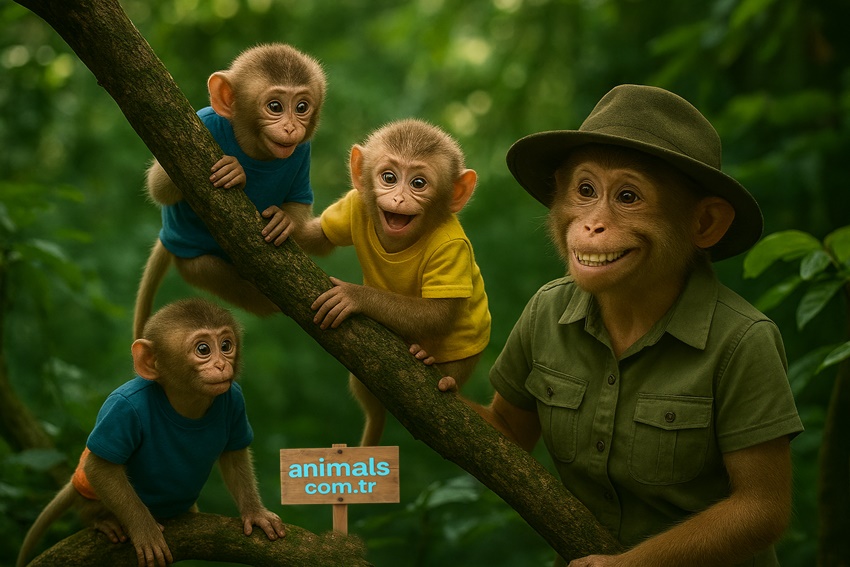
Spent the morning helping the baby monkeys climb their first branches.
Their playful energy filled the whole jungle with joy.
Nothing brighter than watching the little ones grow every day.
animals.com.tr message
Thank you, Rafi!
We’re happy to welcome you to our growing animal community.
Your jungle spirit brings great energy to our platform.
Glad to have you with us!
monkeys, primates, monkey facts, monkey diet, monkey habitat, baby monkeys, gorilla, chimpanzee, orangutan, animals.com.tr
about monkeys,animals.com.tr
monkey story,monkey article
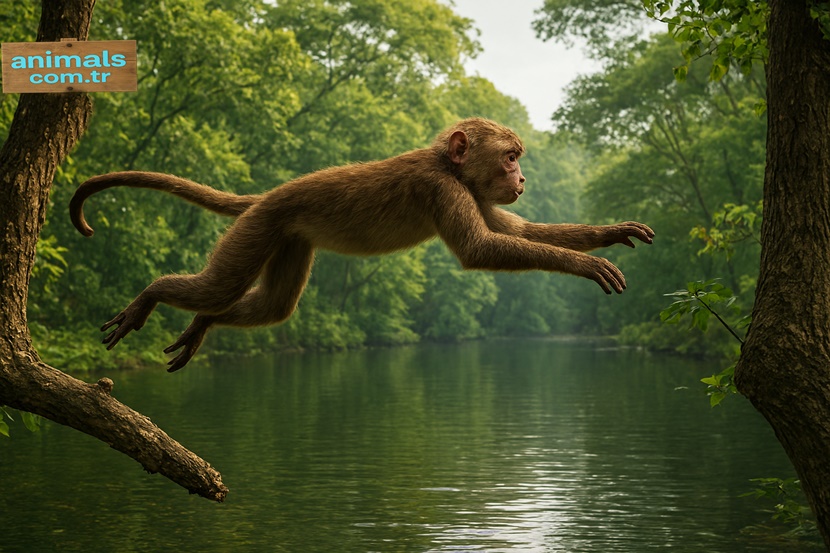
Monkeys are some of the most fascinating animals on our planet. Belonging to the primate family, they are known for their intelligence, social behavior, and agility. Found in a wide range of habitats, monkeys live primarily in tropical rainforests, mountains, and savannas, swinging through trees or moving skillfully on the ground.
Physical Characteristics
Monkeys vary greatly in size and appearance. Some, like the tiny pygmy marmoset, weigh just a few ounces, while others, like the mandrill, can weigh over 77 pounds (35 kg). Most monkeys have long tails, which they use for balance, and dexterous hands and feet that help them climb, grab, and manipulate objects.
Diet and Feeding Habits
Monkeys are mostly omnivores, meaning they eat both plants and animals. Fruits, leaves, flowers, seeds, and nuts form the bulk of their diet, but many species also eat insects, small birds, and eggs. Their diet varies depending on habitat, season, and species.
Social Structure and Behavior
Monkeys are highly social animals. They live in groups called troops, which can range from a few individuals to over a hundred. Social interaction is crucial for their survival. Grooming, playing, and communicating with vocalizations or gestures strengthen bonds within the troop.
Reproduction and Babies
Female monkeys usually give birth to a single baby after a gestation period that ranges from four to eight months, depending on the species. Baby monkeys are dependent on their mothers for food and protection. They learn essential survival skills by watching and playing with other group members.
Intelligence and Communication
Monkeys are known for their cleverness. They can solve problems, use tools and remember complex routes in their environment. Communication includes vocal calls, facial expressions, and body language, allowing them to warn each other of danger or share exciting discoveries.
Many monkey species face threats from habitat loss, hunting, and the illegal pet trade. Conservation efforts, including habitat protection and awareness programs, are crucial to ensure that these intelligent and playful creatures continue to thrive.
Monkeys share their primate family with great apes like gorillas, chimpanzees, and orangutans. While these apes are larger and tailless, they all come from a common primate lineage, highlighting the diversity of the monkey and ape family.