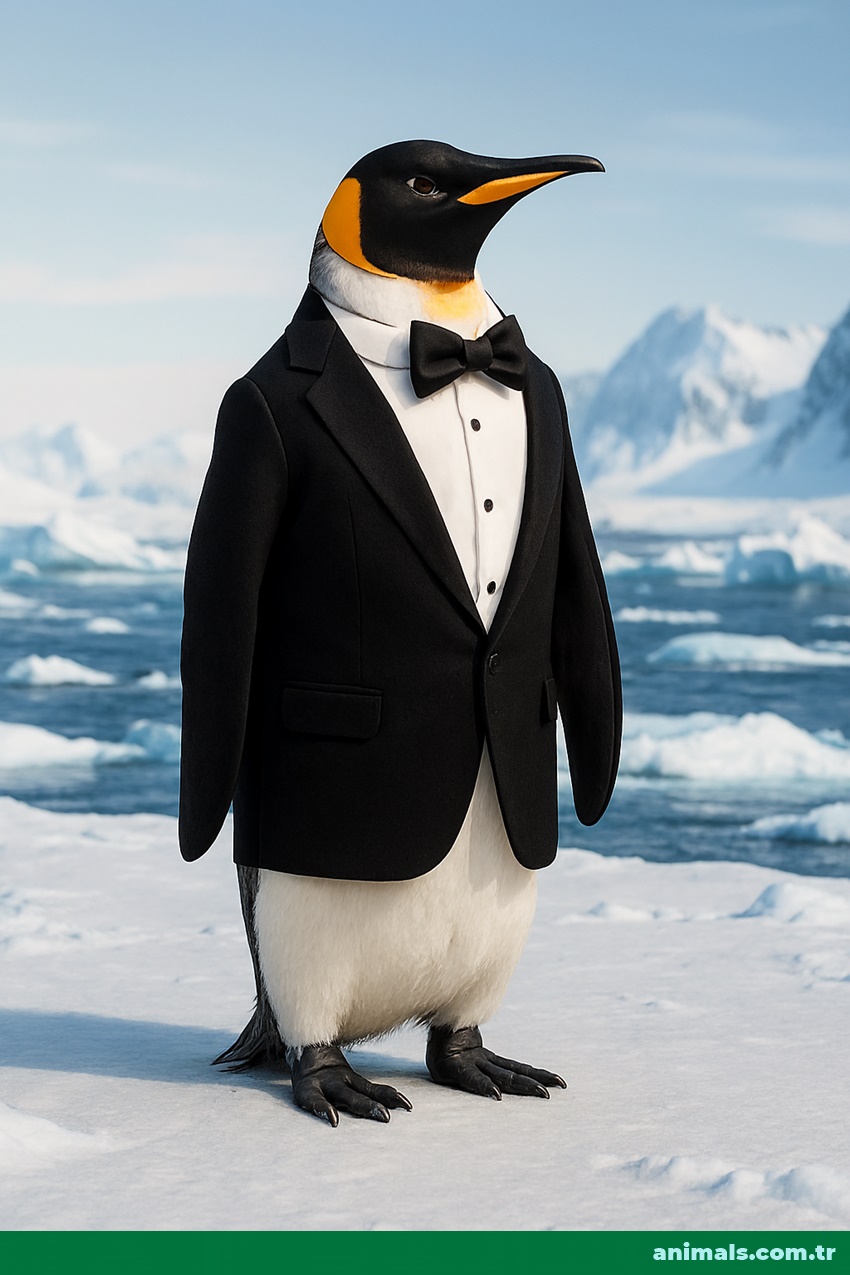
Penguin Profile
Hello, I am Penny, a curious little penguin living in the icy lands of Antarctica.
I love sliding on ice and swimming in the cold ocean. I enjoy spending time with my family, and exploring the snowy world around me.
Habitat: I live in the coldest regions on Earth, where snow and ice cover the land. I share this space with other penguins, seals, and occasional whales.
Diet: My favorite meals are small fish, krill, and squid. I dive deep into the ocean to catch them, and sometimes play with my friends while hunting.
Chicks: I have little chicks who are fluffy and full of energy. I take care of them with my partner, keeping them warm and safe in the nest.
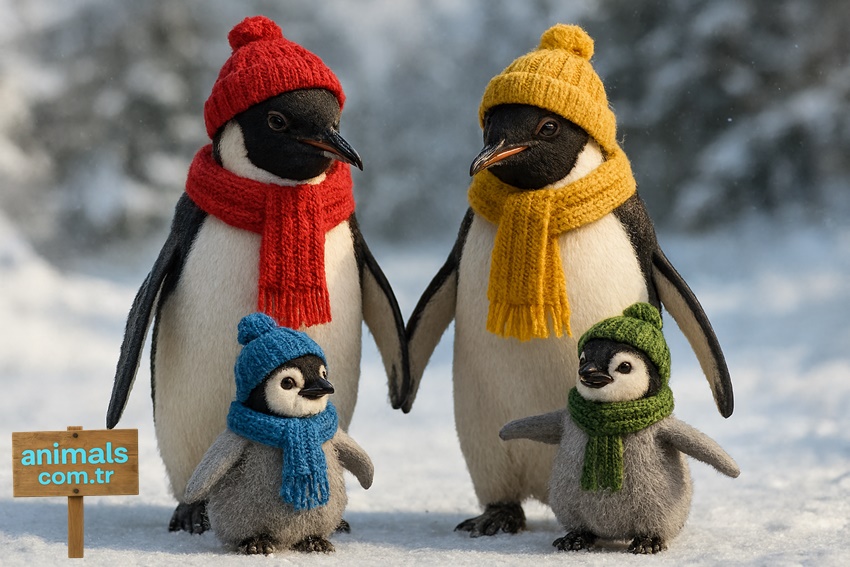
Post:
We walk together in every season.
Cold days feel warm when family is close.
Stay comfortable and kind.
animals.com.tr message
Thank you to our very first member the cheerful penguin who joined our journey at animals.com.tr.
Your curiosity your charm and your icy cool spirit opened the door for many more friends to come.
Welcome to the family little explorer.
Feel the spirit of animals with every step.
about penguin,penguin,animals,Penguin's sharing,animals.com.tr,animal
penguin polar,animals penguin,animals.com.tr
penguin story,penguin article,about penguin,animal
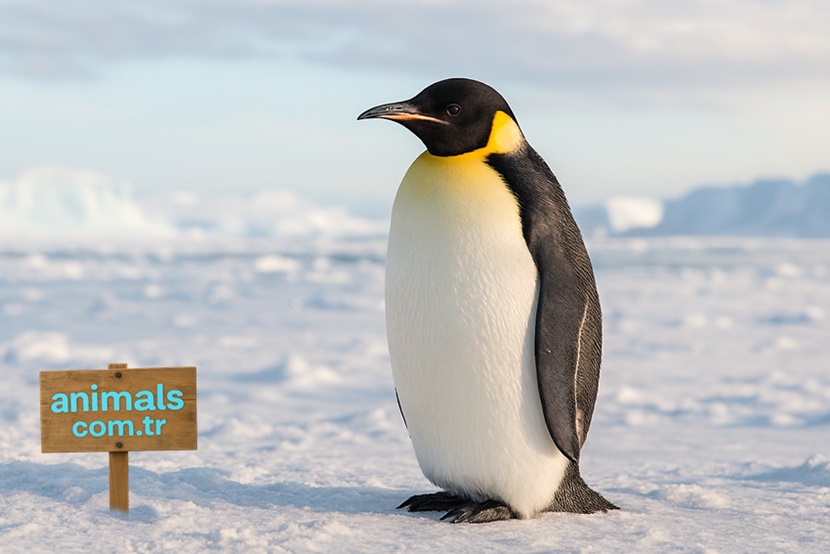
Penguins represent one of the most distinctive avian groups, adapted to extreme environments and highly specialized for life in marine ecosystems. This article examines their evolutionary history, anatomical adaptations, ecological roles, reproductive biology, and the major conservation challenges they face.
Current research underscores the vulnerability of penguin populations to climate change, overfishing, and habitat disturbance, emphasizing the need for integrated conservation strategies.
Penguins (family Spheniscidae) are flightless, aquatic birds distributed primarily across the Southern Hemisphere. Their evolutionary trajectory reflects a transition from volant ancestors to highly efficient divers.
Today, the 18 recognized penguin species inhabit diverse climatic zones, from the icy coastlines of Antarctica to temperate islands near the equator. As key indicators of marine ecosystem health, penguins provide valuable insights into environmental changes occurring across oceanic regions.
Evolution and Adaptation
Penguins diverged from their closest relatives, the Procellariiformes, approximately 60 million years ago. Fossil evidence reveals that early penguins were significantly larger than most extant species, suggesting a dynamic evolutionary response to prehistoric climatic and ecological conditions.
Morphological Adaptations
Streamlined Bodies: Penguins possess fusiform bodies that minimize drag during diving.
Flipper-like Wings: Their wings have evolved into rigid, hydrodynamic flippers, enabling strong propulsion underwater.
Dense Plumage and Fat Layer: A multi-layered feather structure and subcutaneous fat provide insulation in frigid waters.
Enhanced Vision: Their eyes are adapted for superior underwater acuity, particularly useful in low-light conditions.
These adaptations collectively support extended foraging dives, some reaching depths over 500 meters, as observed in species like the Emperor Penguin (Aptenodytes forsteri).
Habitat and Distribution
While penguins are strongly associated with Antarctic environments, their range extends well beyond polar regions. Species such as the Galápagos Penguin (Spheniscus mendiculus) inhabit equatorial zones influenced by cold oceanic currents. Most species, however, reside in Subantarctic islands, coastal South America, New Zealand, and southern Africa.
Penguin habitat selection is strongly correlated with prey availability, ocean temperature, and breeding-site accessibility. Stable sea-ice conditions and predictable marine productivity are particularly important for high-latitude species.
Diet and Foraging Ecology
Penguins primarily consume fish, krill, and squid. Their foraging strategies vary by species and season, often reflecting changes in prey distribution.
Krill-dependent species (e.g., Adélie Penguins) display sensitivity to fluctuations in krill abundance resulting from ocean warming.
Generalist feeders adapt more flexibly, shifting their diet based on local prey dynamics.
Foraging success directly influences breeding outcomes, making penguins tightly linked to marine ecosystem variability.
Reproduction and Parental Investment
Penguin reproductive biology is characterized by high parental involvement and strong pair bonds in many species.
Nesting and Eggs
Species construct diverse nesting structures, from simple ground scrapes to elaborate pebble nests. Clutch sizes range from one to two eggs depending on species, and incubation roles are often shared between parents.
Chick Development
Chicks hatch with dense down and rely on adults for thermoregulation and feeding. Crèche formation—grouping of chicks for protection—is common among colonial nesters such as King and Adélie Penguins.
Conservation Status and Threats
Many penguin species are experiencing population declines due to:
Climate Change: Altered sea-ice conditions, shifts in prey biomass, and rising sea temperatures reduce foraging efficiency and breeding success.
Overfishing: Industrial fisheries compete directly with penguins for target prey species such as anchovies and krill.
Pollution: Oil spills, plastic ingestion, and heavy metal contamination degrade penguin health and reproductive performance.
Habitat Disturbance: Human activities, including tourism and coastal development, disrupt nesting sites.
According to the IUCN Red List, several species—including the Yellow-eyed Penguin (Megadyptes antipodes) and African Penguin (Spheniscus demersus)—are currently classified as Endangered.
Conclusion
Penguins are emblematic species whose survival illustrates the interconnectedness of climate, ocean health, and biodiversity.
Continued research, sustainable fisheries management, and habitat protection are essential for securing the future of penguin populations.
As global climate patterns intensify, penguins will remain critical bioindicators for assessing ecosystem resilience and environmental change.