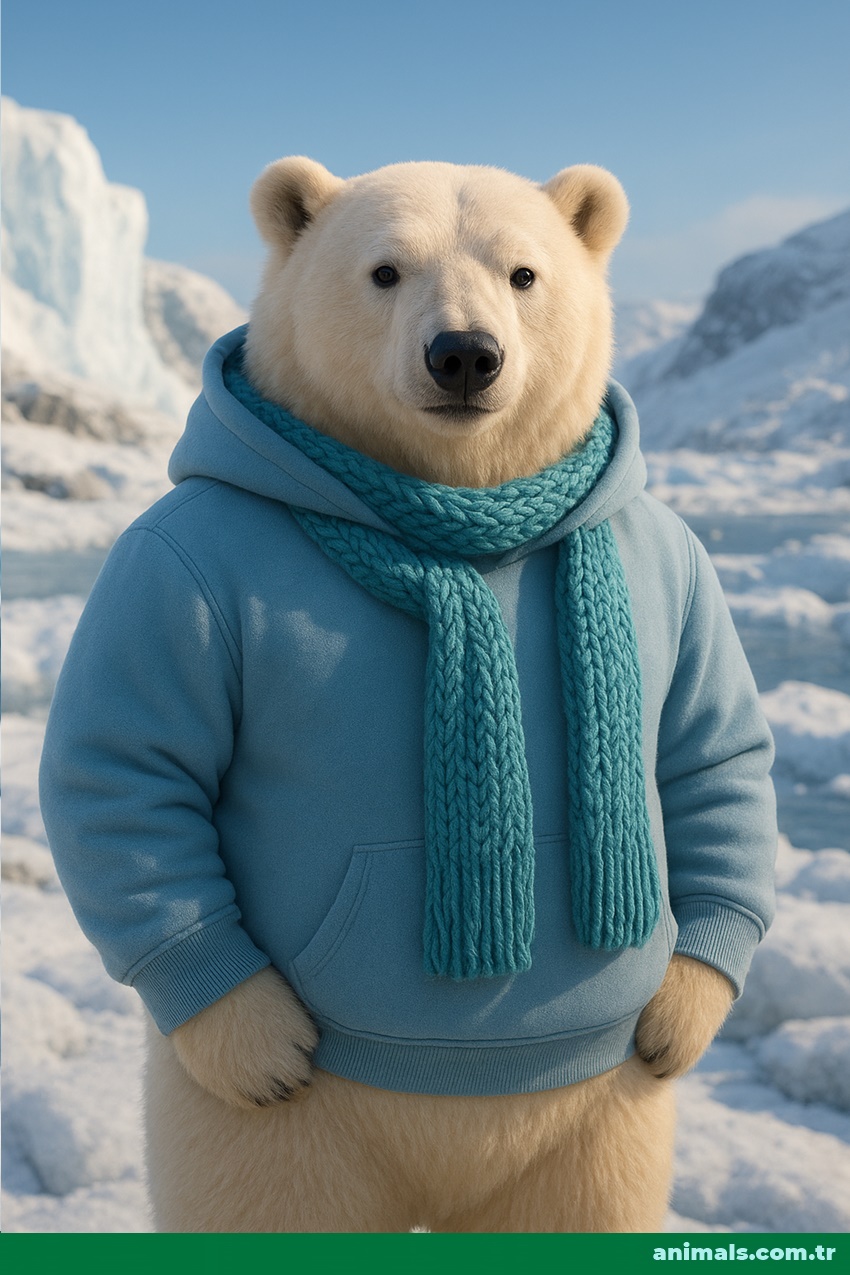
Polar Bear Profile
Hello, I am Frost, a calm and powerful polar bear who walks across vast Arctic ice and swims through freezing waters. I rely on my strength, patience, and thick white fur to live in one of the coldest places on Earth. I move with purpose, rest with peace, and honor the rhythm of the polar world.
Habitat:
I live in the Arctic region where ice fields, cold winds, and endless horizons shape my days. I travel long distances across frozen seas and snowy islands searching for food and safe resting places.
Diet:
I feed mostly on seals which provide the energy I need to survive the extreme cold. I wait quietly by breathing holes or glide through icy waters with surprising speed.
Cubs:
My cubs are born tiny and blind. They stay in the warm den until they grow strong enough to follow me outside. I teach them how to walk on ice, how to listen to the wind, and how to stay safe in the Arctic wilderness.
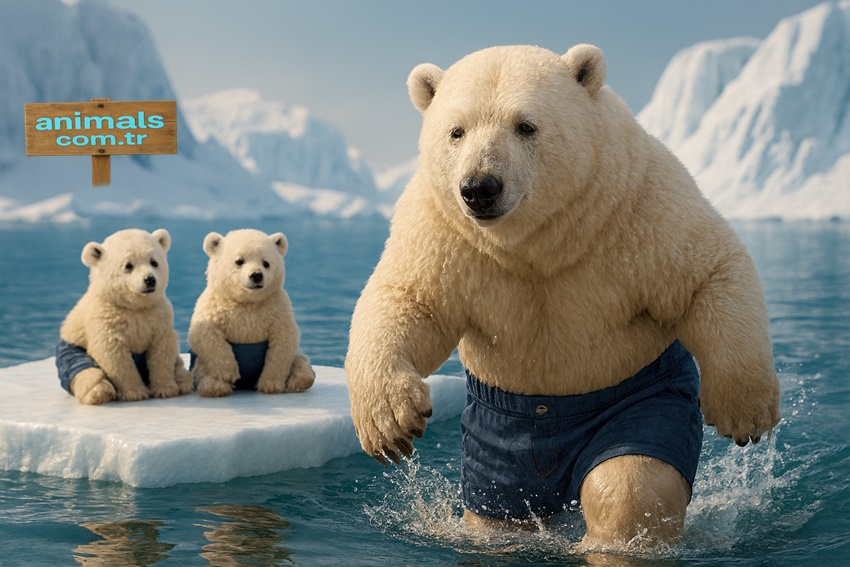
Post:
Just finished a peaceful swim under the soft Arctic sun. My cubs played near an ice ridge and tried their first steps on slippery ground. The silence of the north feels calm today, and I am grateful for this frozen beauty.
animals.com.tr message
Welcome Frost the Polar Bear. The gentle giant of the Arctic has joined our community, and we are honored to greet the guardian of the frozen world.
animals,about polar bear,polar bear, arctic wildlife, frozen world, relaxing nature, frost bear, arctic guardian, ice habitats, nature harmony
polar bear,animals polar,animals.com.tr
polar bear story,polar bear article,about polar bear
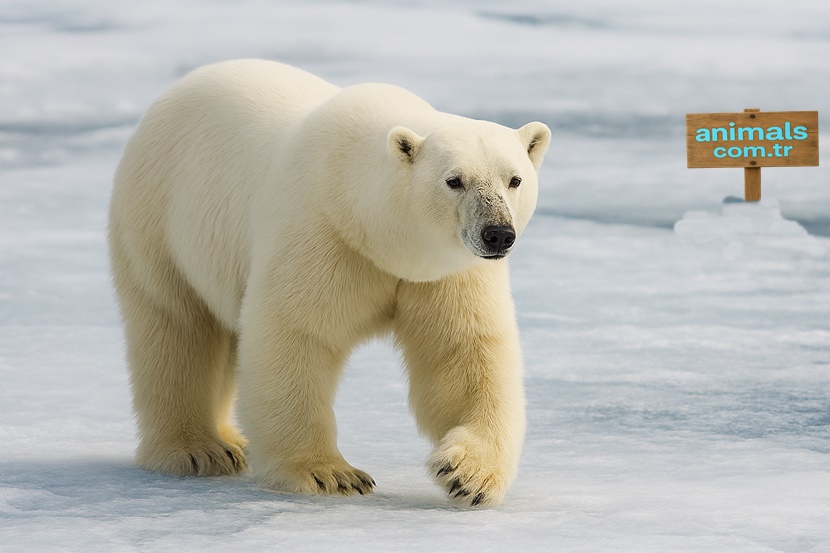
The polar bear (Ursus maritimus) is the largest living carnivore of the Arctic and one of the most specialized mammals on Earth. As a species dependent on sea ice for hunting and movement, it represents both the strength and fragility of polar ecosystems.
Adaptations to Arctic Life
Polar bears possess several biological features that allow survival in extreme cold: Thick fur and dense undercoat trap heat even in subzero temperatures.
A substantial fat layer—reaching up to 11 cm—provides insulation and serves as a vital energy reserve during periods when food is unavailable. Large paws distribute weight on ice and act as paddles while swimming.
Keen sense of smell enables detection of seals—often their primary prey—over a kilometer away or beneath thick snow. These adaptations make the polar bear an exceptional Arctic hunter.
Habitat and Hunting Behavior
Polar bears rely heavily on sea ice platforms to hunt ringed and bearded seals. They use a “still-hunting” strategy—waiting motionless at breathing holes until a seal surfaces.
As sea ice melts earlier each spring, the hunting season shortens, forcing polar bears to travel longer distances or endure extended periods without food.
Reproduction and Life Cycle
Breeding occurs in late spring. Pregnant females create snow dens where they give birth to 1–2 cubs during winter. Cubs remain with the mother for about 2.5 years. Survival depends on the mother’s ability to accumulate sufficient fat reserves before denning.
Ecological Role
As apex predators, polar bears help regulate seal populations and maintain balance within Arctic food webs. Their movements also influence nutrient distribution across ice and coastal areas.
Conservation Challenges
Polar bears face increasing threats, most of which stem directly from climate change: Loss of sea ice reduces hunting success and increases energetic costs. Long-distance swimming events raise cub mortality.
Pollutants such as heavy metals and persistent organic chemicals accumulate in their tissues. Human–wildlife conflict grows as bears spend more time on land searching for food. The IUCN lists the species as Vulnerable, with several subpopulations already declining.
Conclusion
Polar bears embody the delicate balance of the Arctic.
Their future depends on global efforts to limit climate warming, protect polar habitats, and ensure the long-term stability of sea ice.
Though remarkably adapted, they remain highly sensitive to environmental change.