Amazon Rainforest
The Great South American Rainforest is one of the most extraordinary natural regions on Earth.
It is known for its vast tropical forests, outstanding biodiversity and essential ecological functions.
This immense region plays a key role in regulating the climate, supporting millions of species and sustaining the traditional cultures that have lived there for thousands of years.
The Great South American Rainforest is one of the most important natural regions on Earth.
It contains immense biodiversity and plays a crucial role in maintaining the ecological balance of the planet.
Understanding this vast rainforest is essential for recognizing how nature supports both wildlife and human life.
Where the Great South American Rainforest Is Located
The Great South American Rainforest is located in the northern part of South America.
Most of it lies within Brazil, while the remaining sections extend into Peru, Colombia, Venezuela, Ecuador, Bolivia, Guyana, Suriname and French Guiana.
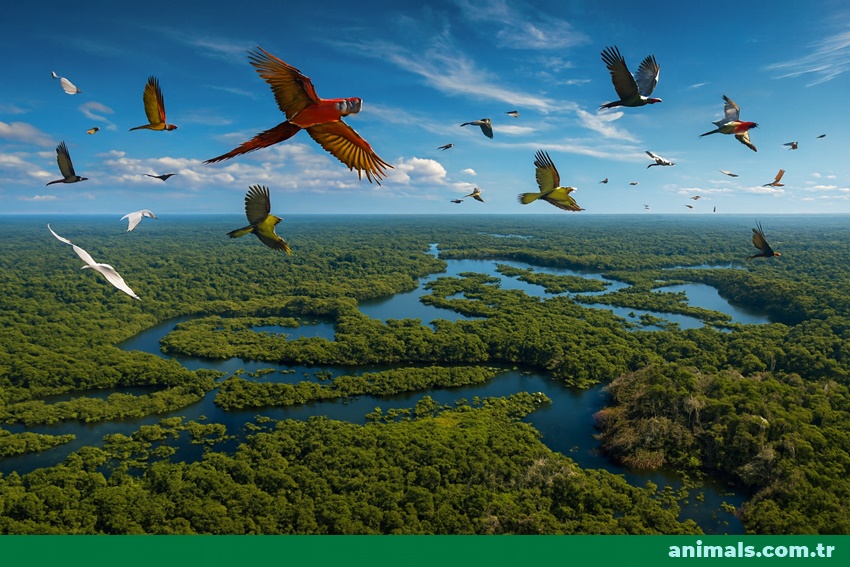
It forms the largest continuous tropical ecosystem in the world and connects the natural processes between the Andes Mountains and the Atlantic Ocean.
Animal Diversity
This rainforest is home to millions of animal species. Many of them exist nowhere else on Earth.
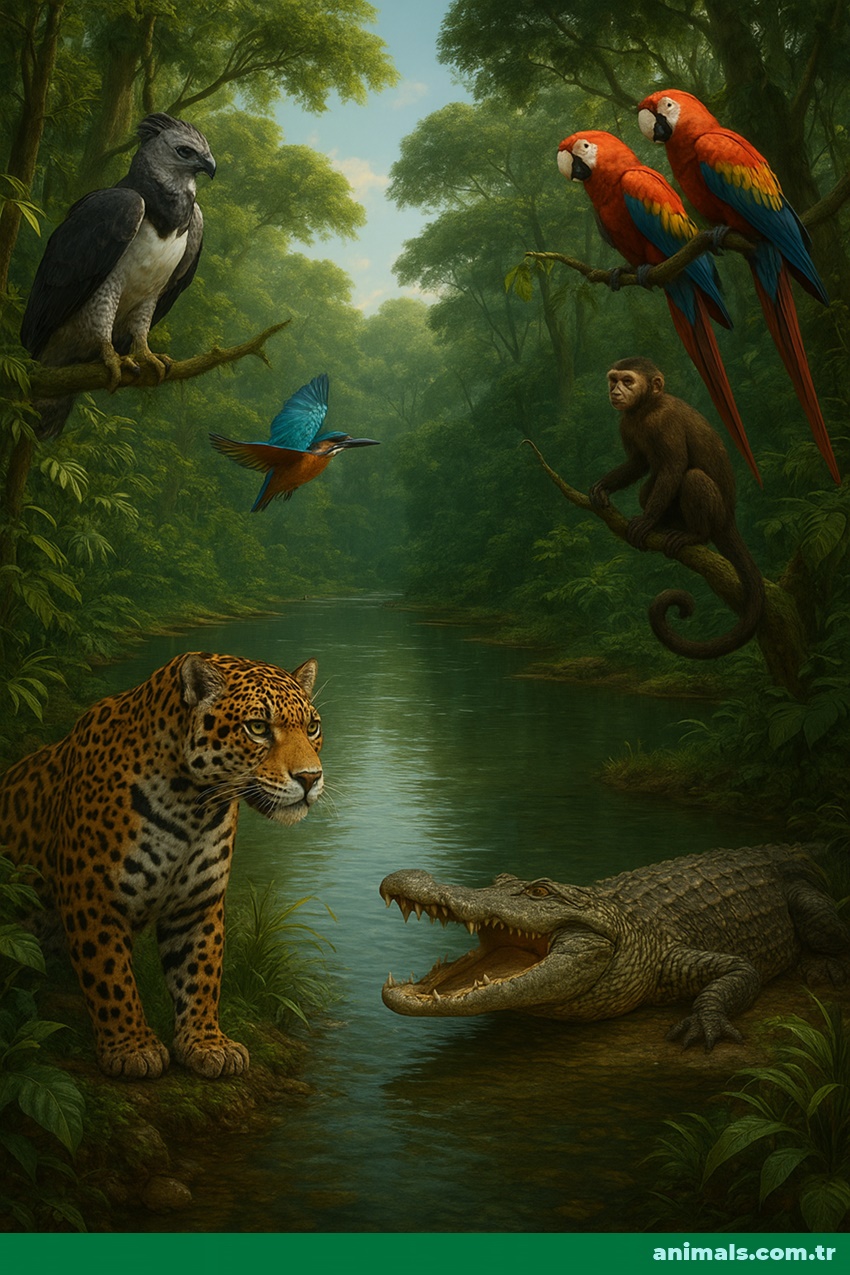
Jaguars, pink river dolphins, harpy eagles, giant otters, poison dart frogs, sloths and numerous monkey species all live in this region.
Scientists believe that many species are still undiscovered, which makes the rainforest an invaluable biological treasure.
Plant Diversity
The Great South American Rainforest contains more than forty thousand plant species.
Trees such as the kapok tree, the rubber tree and the Brazil nut tree dominate the forest structure.
Medicinal plants are also widely found, and many modern medicines were developed from plant species that originate in this rainforest. Its dense vegetation absorbs large amounts of carbon dioxide and produces significant oxygen, which is why it is often called the lungs of the Earth.
Ecological Role
This rainforest plays a critical role in global and regional ecological systems.
It stores carbon and slows climate change. It regulates rainfall patterns across South America.
It provides habitat for millions of species. It protects soil from erosion and supports the cultural traditions of indigenous communities. It also influences weather systems far beyond its borders.
Additional Insights
Although it is one of the most vital ecosystems on Earth, the rainforest faces threats such as deforestation, illegal mining and the effects of climate change.
Protecting this region requires strong conservation policies, international collaboration and active support for local communities.
Sustainable tourism and responsible resource use are important steps for long term preservation.
Conclusion
The Great South American Rainforest is a powerful life support system that connects plants, animals, humans and climate processes.
Protecting this unique ecosystem means preserving the natural balance of our planet.
Every effort made today will help ensure a healthier and more stable future for generations to come.
South American rainforest,rainforest animals,tropical ecosystem,jaguar wildlife,rainforest birds,river rainforest scenery,biodiversity in South America,tropical forest plants,natural ecosystem information
animals,animal,Amazon Rainforest Article
amazons article,Amazon Rainforest Article