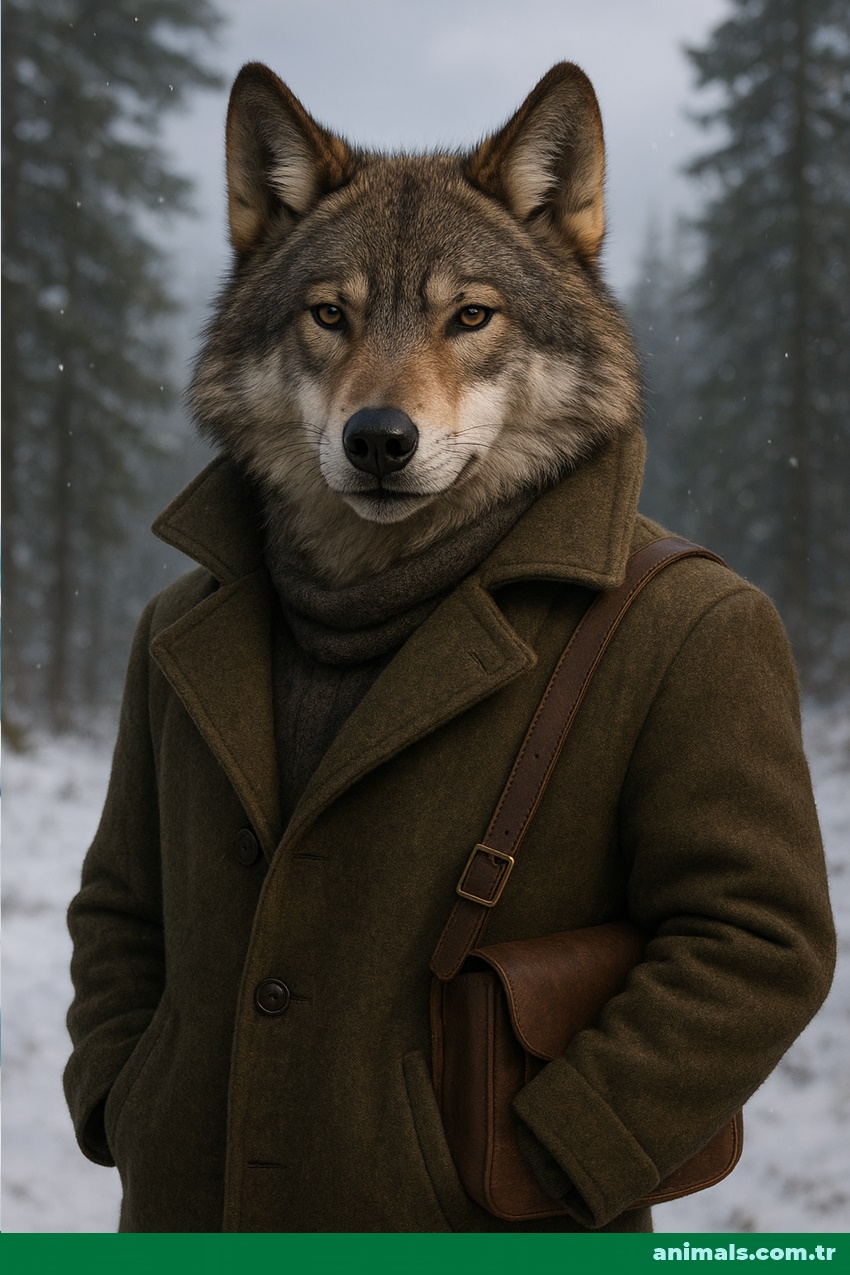
Wolf Profile
Hello, I am Rex, a strong and alert wolf who roams through deep forests and open valleys. I move with my pack, protect my territory, and rely on my sharp senses to explore the world around me. I value unity, loyalty, and the quiet harmony of nature.
Habitat:
I live in dense forests, snowy mountains, and wide meadows. These places give me shelter, fresh air, and plenty of space to travel with my pack.
Diet:
I feed on deer, rabbits, and sometimes small mammals. Working with my pack, we hunt with strategy and teamwork, which keeps our family strong and balanced.
Pups:
My pups are playful and full of curiosity. They stay close to the den while I bring food and teach them how to listen to the forest. As they grow, they learn to follow the pack and understand the rhythm of the wild.
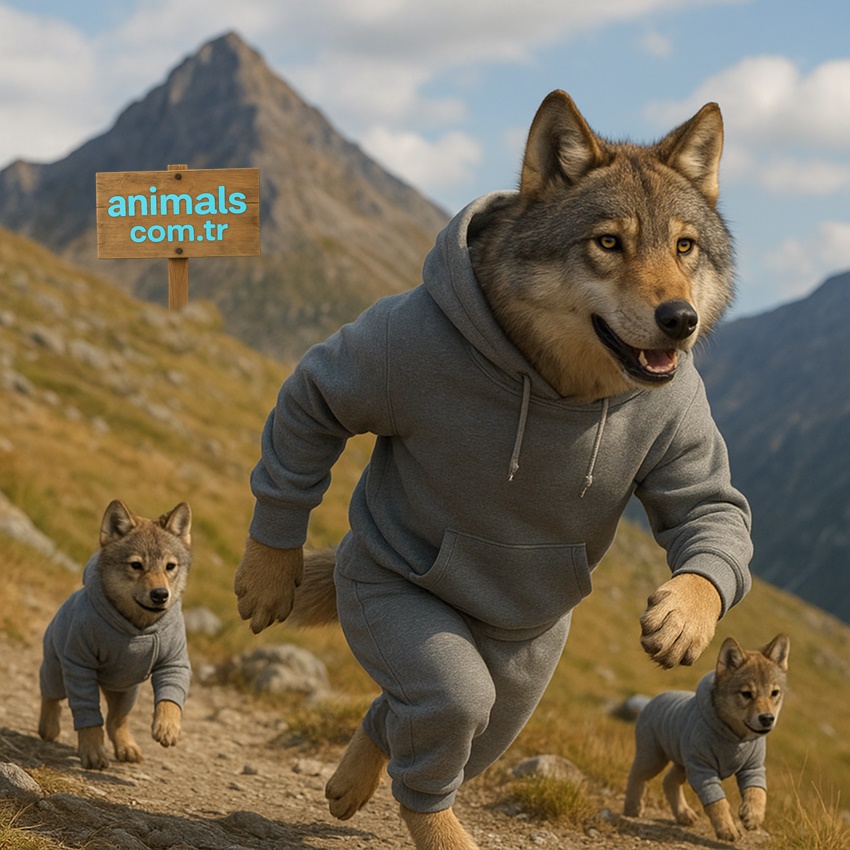
Post:
I took a long run this morning, and the forest felt peaceful and alive. My cubs practiced their first howls, and their voices echoed beautifully through the trees. I'm proud and grateful for this life with my pack.
animals.com.tr message
Welcome Wolf Rex. The spirit of the wild has joined our community, and we are proud to greet the guardian of the forest.
About Wolves,wolf,animals.com.tr,animal,animals
eagle forest,animals wolf,animals.com.tr
wolf story,wolf article,about eagle
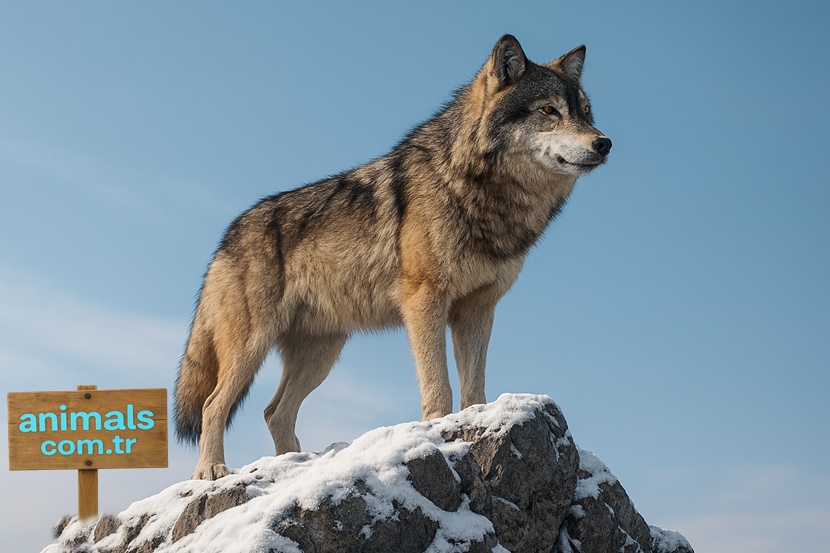
Wolves (Canis lupus) are apex predators with complex social systems and broad ecological significance. This article examines their evolutionary background, morphological adaptations, social organization, foraging ecology, and the conservation issues affecting global wolf populations.
As keystone species, wolves play an essential role in regulating prey populations and maintaining ecosystem stability.
The gray wolf (Canis lupus) is one of the most widely studied carnivores due to its ecological importance, cultural symbolism, and history of conflict with humans. Historically distributed across much of the Northern Hemisphere, wolves have experienced significant range reductions due to habitat loss, persecution, and prey depletion.
In recent decades, scientific studies and conservation programs have brought renewed attention to the species’ ecological contributions and behavioral complexity.
Evolution and Taxonomy
Wolves belong to the family Canidae, which includes domestic dogs, coyotes, jackals, and foxes. Genetic evidence indicates that wolves diverged from a common ancestor with domestic dogs around 20,000–40,000 years ago.
The species Canis lupus includes multiple subspecies such as
Eurasian wolf, Arctic wolf, Mexican wolf, Northwestern wolf.
These subspecies exhibit adaptations to a range of climatic and ecological conditions.
Morphology and Physiological Adaptations
Body Structure
Wolves are characterized by powerful limbs, robust skulls, and large canine teeth designed for capturing and consuming large ungulates. Their dense fur provides insulation across cold climates, and seasonal molt allows adaptation to temperature fluctuations.
Senses
Olfaction: Wolves have an extraordinary sense of smell used for tracking prey, navigating territories, and communicating through scent marking.
Hearing: Sensitive hearing facilitates detection of prey movement over long distances.
Vision: While not as acute as birds of prey, wolf vision is optimized for detecting movement, particularly in low-light conditions.
Endurance and Mobility
Wolves are adapted for long-distance travel, capable of covering 30–70 km per day. Their efficient gait and large paws allow movement across snow, rugged terrain, and open landscapes.
Social Organization and Behavior
Pack Structure
Wolves are highly social animals that live in structured packs typically consisting of a breeding pair and their offspring from multiple years. Pack size varies from 4 to more than 15 individuals depending on prey availability and territory size.
Communication
Wolves use a sophisticated communication system involving:
Vocalizations: howling, growls, yips
Scent marking
Body language: postures, tail positions, facial expressions These methods coordinate hunting, reinforce social bonds, and maintain territorial boundaries.
Hierarchy and Cooperation
Packs maintain a dominance hierarchy, though modern research shows that wolf societies are more family-based than rigidly hierarchical. Cooperative behaviors, including joint hunting, pup care, and territory defense, are essential to pack success.
Diet and Hunting Ecology
Wolves are carnivorous predators that primarily hunt large ungulates such as deer, elk, moose, and wild boar. Their hunting strategy relies on endurance, coordination, and selective targeting of vulnerable prey (young, old, or weakened individuals). Wolves also consume small mammals, birds, and carrion when necessary, demonstrating dietary flexibility.
Ecological Role
As apex predators, wolves exert a top-down influence on ecosystems. Well-documented cases, such as the Yellowstone National Park reintroduction, illustrate how wolves reduce herbivore overbrowsing, allowing vegetation and biodiversity to recover—an example of a trophic cascade.
Habitat and Distribution
Wolves historically occupied diverse ecosystems including forests, tundra, grasslands, and semiarid regions. Present-day distributions have become fragmented due to human expansion and habitat conversion. Stable wolf populations remain in regions of North America, Europe, Russia, and parts of Asia.
Reproductive Biology
Wolves breed once per year, typically in late winter.
Gestation: ~63 days
Litter size: 4–7 pups
Pup development: Pups are born blind and rely on the entire pack for feeding and protection. Cooperative breeding increases pup survival and is a defining feature of wolf society.
Conservation Challenges
Human-Wildlife Conflict
Livestock depredation and competition with hunters often lead to persecution of wolves. Lethal control measures, retaliatory killings, and illegal hunting remain major threats.
Habitat Fragmentation
Road networks, urban expansion, and agricultural development reduce habitat connectivity, isolating wolf populations and limiting genetic exchange.
Decline of Prey Populations
Overhunting and habitat degradation can diminish prey availability, indirectly affecting wolf survival.
Legal and Policy Issues
Wolves exist under a variety of legal protections depending on the region—from strict conservation status to regulated culling programs. Successful conservation strategies rely on science-based management, public engagement, and long-term monitoring.
Conclusion
Wolves are ecologically indispensable predators whose social complexity and adaptability highlight their evolutionary success.
Conservation of wolf populations requires an integrated approach involving habitat protection, conflict mitigation, sustainable wildlife policies, and continued scientific research.
As landscapes and climate patterns change, wolves will remain critical indicators of ecosystem health and biodiversity resilience.