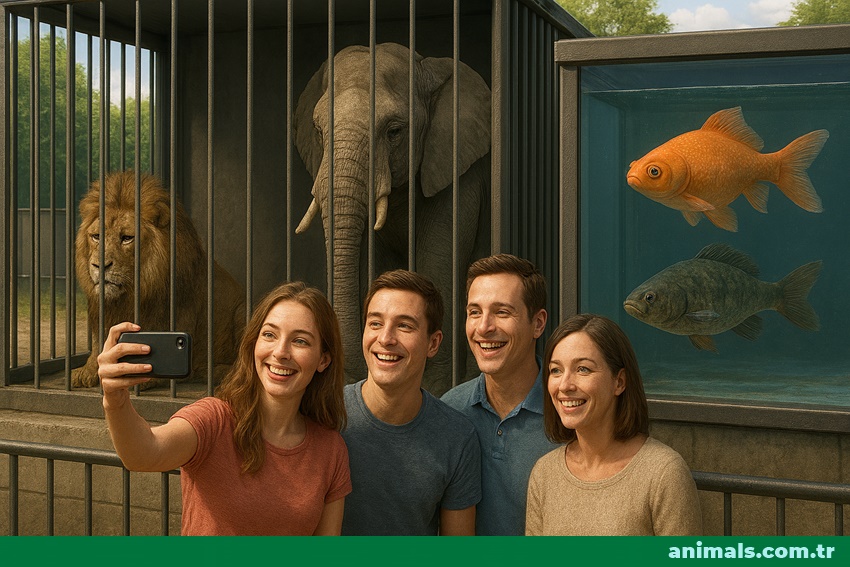
Captivity Behind the Label “Zoo”: The Silent Suffering of Animals
Zoos are often promoted as places for education, conservation, and family fun. Visitors walk carefully designed paths, marveling at exotic animals and snapping photos of lions or dolphins performing choreographed tricks.
Yet behind the curated displays and colorful signs lies a reality that is far more heartbreaking: a life of confinement, stress, and silent suffering for the animals trapped inside.
A Cage Is Still a Cage—No Matter How Decorated
For many animals, the spaces they inhabit in zoos represent only a tiny fraction of their natural range.
A tiger that would normally roam over 100 square kilometers is reduced to pacing inside a few hundred square meters.
An orca, built for deep oceans and long migrations, is trapped in a tank so shallow that its powerful tail barely has room to push forward.
No amount of artificial trees, painted backdrops, or filtered water can replace the vast complexity of their true environment.
The Psychological Burden of Captivity
It is not only the physical confinement that harms animals—the psychological toll is immense.
Many captive animals exhibit stereotypic behaviors, signs of deep emotional distress:
Lions pacing the same line for hours.
Elephants swaying back and forth in endless repetition.
Dolphins grinding their teeth on tank walls.
Birds plucking out their own feathers.
These are not quirks. They are cries for help.
In the wild, animals have choices: where to go, what to eat, when to rest, and whom to interact with.
In captivity, their world shrinks to the size of a cage, and their choices are nearly erased.
From Freedom to Display
Every creature in a zoo becomes a spectacle.
Visitors gaze, point, and take photos—often unaware that the animal they are watching has lost nearly every aspect of natural freedom.
A polar bear made for Arctic ice melts under the strain of summer heat.
A cheetah born to run at astonishing speeds sits motionless, its body built for motion but forced into stillness.
Primates, some of the most intelligent creatures on our planet, live behind steel walls that reflect their loneliness.
The Illusion of Conservation
While many zoos claim to support conservation, only a small percentage of captive animals are part of genuine reintroduction programs.
Most species bred in zoos will never see the wild.
Their “conservation” becomes just another cycle of captivity disguised as care.
A Call for Ethical Change
Humanity now understands enough about animal intelligence, emotion, and social needs to acknowledge a painful truth: modern zoos, as they exist today, no longer align with our ethical responsibilities.
There are alternatives:
True sanctuaries that prioritize animal welfare.
Protected natural reserves.
Advanced digital and virtual experiences that educate without imprisoning.
Animals deserve more than to be trapped for entertainment. They deserve space, dignity, and the right to live in environments that respect who they truly are.
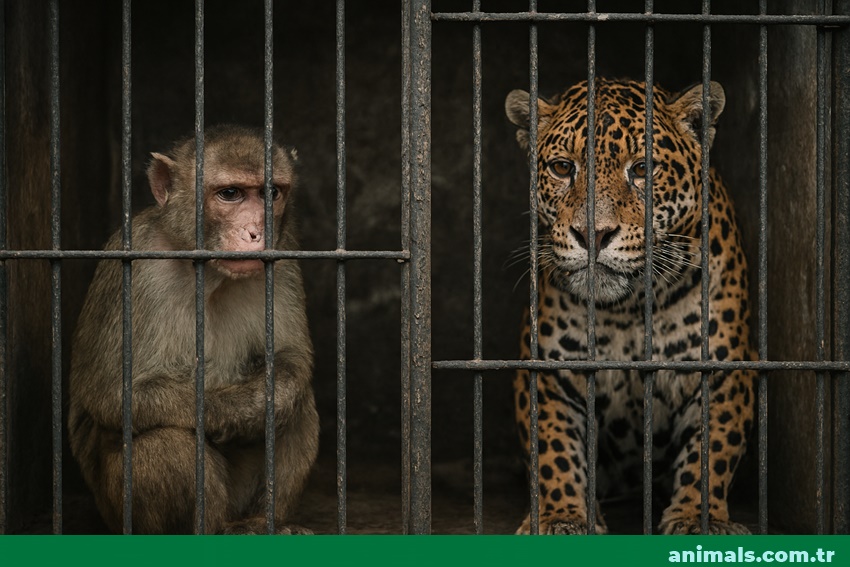
Conclusion
Behind every glass tank and metal bar lies a life interrupted—a story rewritten by confinement.
It is time for society to look beyond the cheerful façade of zoos and acknowledge the reality that animals deserve freedom, not display.
Their suffering is silent, but our awareness does not have to be.
zoo captivity,animal suffering in zoos,animals in cages,tank animals stress,captivity and animal welfare,animals.com.tr,zoo ethics,animal rights awareness,wildlife conservation issues,psychological distress in animals
animals,animal zoo
about zoo,zoo